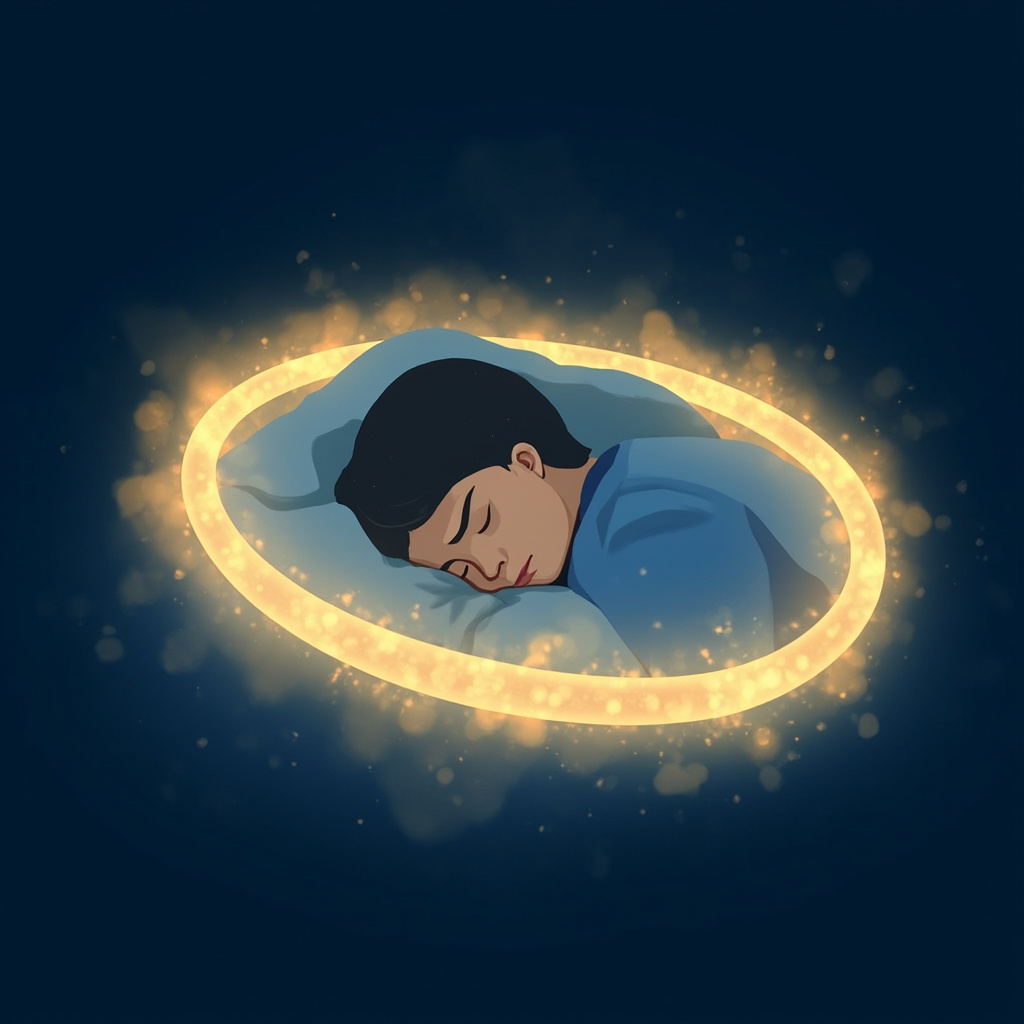
Sleep & Immune System: Why Sleep Is the Best Medicine
You know the feeling: after a full night’s sleep, you feel fit, productive, and full of energy. But after a sleepless night, even a simple cold feels like the flu. That’s no coincidence – sleep and the immune system are inextricably linked. Science is increasingly showing: good sleep isn’t just restorative; it’s essential for a functioning immune defense.
The Science Behind Sleep and Immunity
When you sleep, something incredible happens in your body. While you dream, your immune system carries out a kind of systematic maintenance program. Researchers call this the “immunological memory” – a process where your body identifies, stores, and fights pathogens.
During deep sleep, your body releases special messengers called cytokines. These proteins are the communication center of your immune system. They coordinate defense cells, alert the body to infections, and regulate inflammation. Most importantly: without sufficient deep sleep, the production of these cytokines is severely disrupted.
A study from the University of Tübingen showed that just one night with only four hours of sleep can reduce the number of natural killer cells by a staggering 70%. These cells are our first line of defense against viruses and even cancer cells.
How Sleep Specifically Strengthens Your Defenses
1. Immunological Memory
During sleep, your immune system essentially “trains” against past invaders. T-cells, your body’s special combat troops, store information about already-known pathogens. This allows your body to react lightning-fast the next time it encounters them. This process is optimized through deep sleep – which is why getting enough sleep after a vaccination is particularly important.
2. Anti-Inflammation
Chronically low-grade inflammation is the silent companion of many modern diseases – from cardiovascular disease to autoimmune disorders. Good sleep has an anti-inflammatory effect by reducing the production of C-reactive protein and other inflammatory markers. Those who regularly sleep well have demonstrably lower inflammatory values in their blood.
3. Recovery for the Entire Body
After illness or injury, sleep is the most important “therapy.” During sleep, growth hormones are released that repair tissue and build muscles. At the same time, immune cells regenerate. That’s why we often feel much better after a full night’s sleep – the body has used the chance to recover.
What Happens When You Don’t Get Enough Sleep
The consequences of sleep deprivation for the immune system are dramatic and often underestimated. After just one week with less than six hours of sleep per night, measurable changes appear:
Increased Susceptibility to Infection: Sleep-deprived people are significantly more susceptible to colds, flu, and other infections. A study from the University of Chicago showed that people with less than seven hours of sleep are three times more likely to develop a cold than those with eight or more hours.
Delayed Wound Healing: The body needs sleep to heal. Research shows that small wounds heal up to 60% slower during sleep deprivation. This is because cell repair and immune defense run at full speed during sleep.
Autoimmune Risk: Chronic sleep deprivation can literally throw the immune system out of sync. The line between “self” and “foreign” blurs – a mechanism that can favor autoimmune diseases. Studies show connections between sleep deprivation and increased risk for rheumatoid arthritis, multiple sclerosis, and Hashimoto’s.
Inflammation Promotion: During sleep deprivation, the body releases increased amounts of stress hormones like cortisol. This hormone suppresses immune defense in the short term – but in the long run, this leads to paradoxical effects with chronic, low-grade inflammation.
Optimal Sleep Duration for a Strong Immune System
The question “How much sleep do I need for a strong immune system?” can’t be answered universally, as needs vary individually. However, there are clear scientific guidelines:
| Age | Recommended Sleep Duration | Immune System Notes |
|---|---|---|
| Infants (4-12 months) | 12-16 hours | Immune system develops rapidly |
| Toddlers (1-5 years) | 10-14 hours | Immune training through sleep |
| School children (6-13 years) | 9-11 hours | Growth hormone important |
| Teenagers (14-17 years) | 8-10 hours | Immune system matures |
| Adults (18-64 years) | 7-9 hours | Optimal for immune function |
| Seniors (65+) | 7-8 hours | Immune system weakens |
The magic number is 7-8 hours for most adults. But it’s not just quantity that matters – especially quality: uninterrupted, undisturbed sleep with sufficient deep sleep and REM phases is crucial.
Practical Tips for Sleep-Boosting Immunity
Sleep Hygiene for a Strong Immune System
The foundation for good sleep and thus a strong immune system consists of simple but effective habits:
Consistent Sleep Schedule: Go to bed at the same time every day – including weekends. Your body loves routine. The internal clock gets synchronized, which massively improves sleep quality.
Cool Bedrooms: The ideal room temperature is between 16-18°C. Cold promotes melatonin production and supports nighttime immune activity.
Consistently Avoid Light: One hour before bedtime, you should avoid blue light (phones, tablets, TVs). Light suppresses melatonin production – and thus important immune processes.
Evening Rituals: A relaxing pre-sleep ritual signals to the body: now is rest time. This can be a warm bath, reading, meditation, or a leisurely walk.
Nutrition That Supports Sleep and Immunity
Certain foods promote both good sleep and a strong immune system:
Cherries and Kiwis: Natural melatonin sources that support the sleep-wake cycle. Kiwis are also rich in vitamin C – an immune boost while you sleep.
Fatty Fish: Salmon, mackerel, and herring contain omega-3 fatty acids that have anti-inflammatory effects and improve sleep.
Nuts and Seeds: Rich in magnesium and tryptophan – both promote sleep quality and support immune function.
Herbal Teas: Chamomile, lavender, or valerian tea have calming and sleep-promoting effects.
Avoid: Alcohol (destroys sleep architecture), caffeine after 2 PM, and heavy meals in the evening.
Exercise – But Timed Correctly
Regular exercise strengthens the immune system and improves sleep. However, intense workouts shouldn’t be too late in the evening, as they temporarily increase body temperature and cortisol levels. Better are moderate activities like yoga, walking, or swimming in the afternoon.
Stress Management for Better Sleep
Chronic stress is the biggest enemy of good sleep and a healthy immune system. It leads to elevated cortisol, which suppresses immune defense while disturbing sleep. Effective stress reduction includes:
- Meditation and mindfulness exercises
- Deep breathing (4-7-8 technique)
- Journaling
- Spending time in nature
- Maintaining social connections
Measuring and Optimizing Sleep
Modern wearables like Oura Ring, Whoop, or Apple Watch can provide valuable insights into your sleep quality. Pay special attention to these metrics:
Sleep Efficiency: The percentage of time in bed that you actually sleep. Values above 85% are considered good.
Deep Sleep: This phase is crucial for immune function. Ideally 13-23% of total sleep time.
HRV (Heart Rate Variability) During Sleep: A high HRV shows a relaxed, well-recovered body – and thus a ready immune system.
RHR (Resting Heart Rate): A low, stable resting heart rate during sleep indicates good cardiovascular fitness and recovery.
Conclusion: Sleep Is Your Strongest Weapon
The immune system isn’t an isolated system – it’s closely connected to our sleep. Good sleep is the most effective, side-effect-free, and inexpensive method to strengthen immune defense. No superfood, no supplement, no training program can replace sleep.
In a world that constantly pushes us to perform at our maximum, the decision to get enough sleep is an act of self-care – and the most important contribution we can make to our health. Your immune system will thank you.
So: Give yourself tonight the sleep your body deserves. Because in the end, it holds true: The best medicine we have is our own sleep.
Sources:
- Walker, M. (2017). “Why We Sleep: Unlocking the Power of Sleep and Dreams”
- Besedovsky, L., Lange, T., & Born, J. (2012). Sleep and immune function
- Irwin, M. R. (2015). Sleep and inflammation: implications for psychological morbidity and health care
- Prather, A. A., et al. (2015). Behaviorally Assessed Sleep and Susceptibility to the Common Cold