What is Intermittent Fasting?
Intermittent Fasting (IF) is not a traditional diet in the conventional sense. It’s not about what you eat, but when you eat. The concept is based on cyclical eating phases and fasting periods that influence metabolism and offer various health benefits.
Scientific research on intermittent fasting has grown significantly in recent years. Studies show promising results regarding weight loss, insulin sensitivity, cellular repair, and possibly even longevity. However, not every fasting variant is suitable for everyone. Choosing the right method depends on your individual goals, lifestyle, and health status.
In this article, we compare the most important intermittent fasting variants in detail to help you decide which method fits best.
The Science Behind Fasting
Before we dive into the individual variants, it’s important to understand what happens in the body during fasting periods.
Metabolic Switch
After approximately 12-16 hours without food, the body begins to shift its metabolism. Glycogen stores (carbohydrate reserves in the liver and muscles) are depleted, and the body switches from glucose burning to fat burning. This state is called ketogenic metabolic state.
Autophagy
Autophagy (literally “self-eating”) is a cellular cleaning process where damaged cellular organelles and proteins are broken down and recycled. Researchers like Yoshinori Ohsumi received the Nobel Prize for researching this process. Autophagy is activated by longer fasting periods (typically 24+ hours) and may contribute to cellular health and possibly prevention of age-related diseases.
Hormonal Changes
During fasting, insulin levels drop significantly while hormones like glucagon, adrenaline, and norepinephrine increase. This hormonal shift promotes fat burning and can improve insulin sensitivity. Additionally, growth hormone (HGH) increases during fasting, which can prevent muscle breakdown and promote fat burning.
Most Popular Intermittent Fasting Variants Compared
1. 16:8 Method (Most Popular)
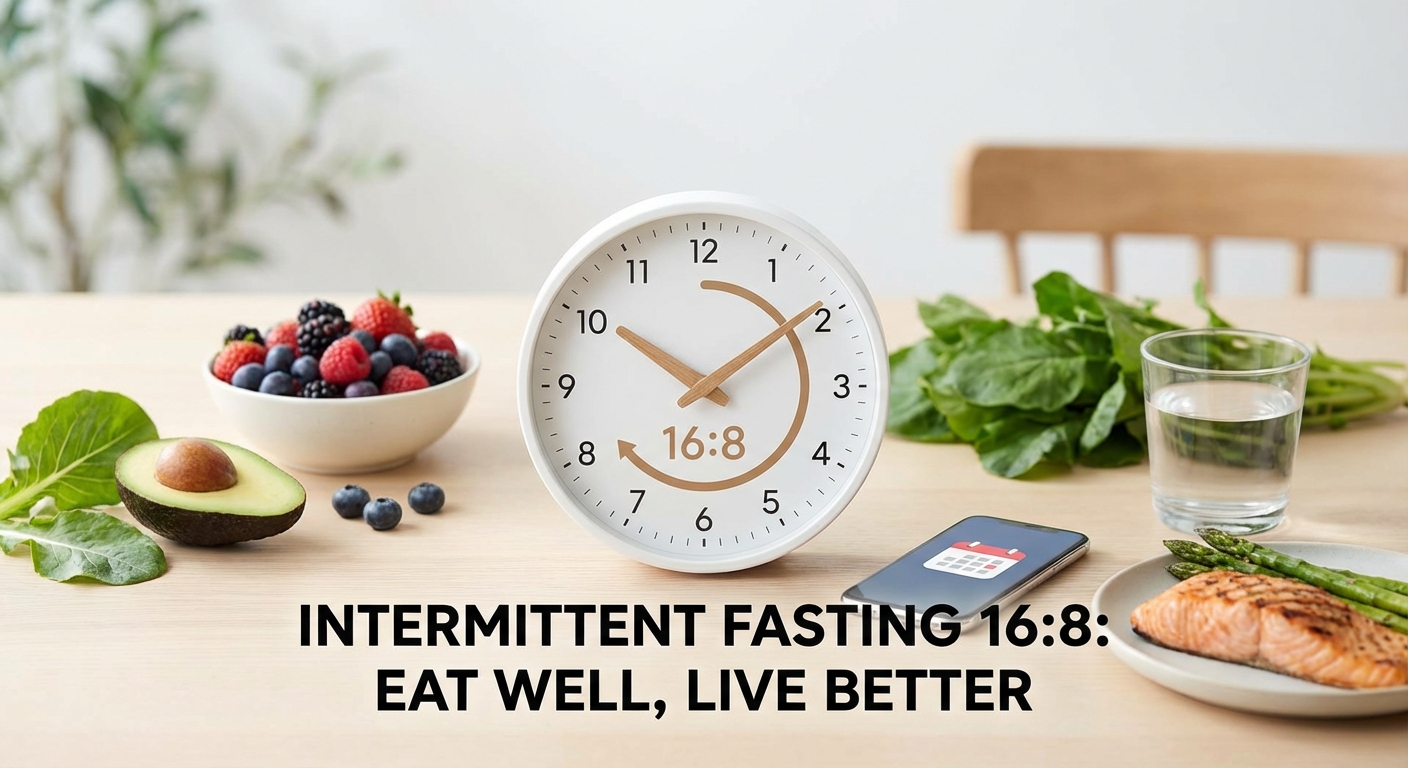
The 16:8 method is the most widespread and accessible form of intermittent fasting. You fast for 16 hours and eat within an 8-hour window.
Example: You eat from 12:00 PM to 8:00 PM and fast from 8:00 PM to 12:00 PM the next day.
Pros:
- Easy to implement – especially with an earlier dinner
- Suitable for beginners
- No complete meal skipping
- Can improve insulin sensitivity
- Supports calorie reduction without conscious calorie counting
Cons:
- May cause hunger in some people
- Initial adjustment period can be challenging
- Not suitable for people with eating disorders
Best for: Beginners, people with normal daily routines who want to lose weight or improve metabolic health.
2. 14:10 Method (Beginner-Friendly)
The 14:10 method is a gentler entry variant. You fast for 14 hours and eat within 10 hours.
Example: Eating from 8:00 AM to 6:00 PM.
Pros:
- Easier entry for beginners
- Less drastic than 16:8
- Can provide initial fasting benefits
- Simple to integrate into daily life
Cons:
- Less strong metabolic effects than longer fasting periods
- Results may be slower to appear
Best for: Absolute beginners, people with metabolic issues, pregnant or breastfeeding women (after consulting a doctor), people with low blood sugar.
3. OMAD (One Meal A Day)
OMAD means you only eat one meal per day – fasting for 23 hours and eating within about a one-hour window.
Example: One large meal between 5:00 PM and 6:00 PM.
Pros:
- Maximum fasting duration for metabolic effects
- Radically simplifies meal planning
- Can promote deep ketosis
- Strong calorie reduction without conscious counting
Cons:
- Very challenging for beginners
- Risk of nutrient deficiencies
- Social restrictions
- Can trigger hunger and eating disorders
- Not suitable for underweight people
Best for: Experienced fasters, people with significant overweight (under medical supervision) looking for an aggressive approach.
4. 5:2 Diet
With the 5:2 method, you eat normally on five days and on two non-consecutive days, you drastically reduce calorie intake to about 500-600 calories.
Example: Normal eating Monday, Tuesday, Wednesday, Thursday, Friday. Fasting days Saturday and Sunday.
Pros:
- No restriction on eating times on “normal” days
- Flexible choice of fasting days
- Well-studied scientifically
- Can help with weight loss
Cons:
- Fasting days can be challenging
- Requires calorie counting
- Less metabolic continuity
- Can lead to cravings
Best for: People who prefer regular eating patterns, people with shift work who need flexibility.
5. Eat Stop Eat
This method involves 1-2 fasting days per week with 24-hour complete fasting.
Example: You don’t eat from Monday evening to Tuesday evening (24 hours), then eat normally from Tuesday to Thursday, and possibly repeat on the weekend.
Pros:
- Maximum autophagy effects
- Simple structure (no calorie counting on fasting days)
- Can cause deeper metabolic adaptations
Cons:
- 24 hours without food is very difficult for many
- Can slow metabolism (adaptive thermogenesis)
- High risk of relapse
Best for: Experienced fasters who tolerate longer fasting periods, people with good self-discipline.
6. 20:4 (Warrior Diet)
The Warrior Diet is a more intense version with only a 4-hour eating window.
Example: One large meal between 4:00 PM and 8:00 PM.
Pros:
- Very effective for fat burning
- Strong insulin reduction
- Simplifies the day
Cons:
- Very restrictive
- Possible social isolation
- Possible nutrient deficiencies
- Not suitable for beginners
Best for: Advanced practitioners who already have experience with shorter fasting.
7. Alternate Day Fasting
In Alternate Day Fasting, you alternate between normal days and fasting days (or days with very low calorie intake).
Example: Eat normally Monday, fast Tuesday, eat normally Wednesday, etc.
Pros:
- Strong calorie reduction
- Regular fasting cycles
- Well-studied scientifically
Cons:
- Very demanding
- Social restrictions
- Can lead to cravings
Best for: Under medical supervision for people with obesity.
Comparison Table
| Method | Fast/eat | Difficulty | Best for |
|---|---|---|---|
| 14:10 | 14h / 10h | Easy | Beginners |
| 16:8 | 16h / 8h | Moderate | Everyone |
| 20:4 | 20h / 4h | Hard | Advanced |
| OMAD | 23h / 1h | Very hard | Experienced |
| 5:2 | 5 days normal, 2 days reduced | Moderate | Flexible lifestyle |
| Eat Stop Eat | 24h 1-2x/week | Hard | Experienced |
| Alternate Day | Alternating | Very hard | Under supervision |
Which Method Fits You?
Choosing the right intermittent fasting variant depends on various factors:
Your Goals
- Weight loss: 16:8, 5:2, or OMAD
- Metabolic health: 16:8 or 14:10
- Autophagy and anti-aging: 24-hour fasting or OMAD
- Simplifying daily life: OMAD or 20:4
Your Lifestyle
- Family meals: 16:8 or 14:10 (dinner with family possible)
- Shift work: 5:2 or 14:10 (adjustable)
- Athletes: 16:8 or 14:10 (shorter fasting windows to optimize training)
- Beginners: Start with 14:10, then increase to 16:8
Your Health
- Diabetes/Prediabetes: 16:8 or 14:10 (under medical supervision)
- Underweight: Not recommended
- History of eating disorders: Not recommended
- Pregnancy/Breastfeeding: Not recommended
Practical Tips for Getting Started
1. Start Slowly
Begin with 12:12 or 14:10 and gradually increase fasting time. Your body needs time to adjust.
2. Don’t Forget Hydration
Water, unsweetened tea, and black coffee are allowed during the fasting period. Coffee can suppress appetite and slightly boost metabolism.
3. Stay Busy
The first fasting days can be easier when you’re busy. Boredom leads to food cravings.
4. Listen to Your Body
Dizziness, severe headaches, or discomfort are warning signs. Break your fast if you feel very unwell.
5. Nutrition in Eating Windows
What you eat still matters. Avoid highly processed foods and focus on balanced nutrition with proteins, healthy fats, and complex carbohydrates.
6. Don’t Underestimate Sleep
Good sleep supports fasting adaptation and hormone regulation. Stress and lack of sleep can intensify cravings.
7. Adjust Exercise
In the first weeks, it may make sense to reduce intense workouts or schedule them in your eating window. Strength training during fasting is fine; cardio may be more intense during fasting periods.
Common Mistakes to Avoid
- Too much, too fast: Don’t jump directly into 24-hour fasting
- Doubling calories in eating windows: Fasting only works if you eat less overall
- Excessive caffeine: Too much caffeine can negatively affect sleep and stress hormones
- “Rewarding” fasting: Don’t fall into unhealthy eating after fasting
Scientific Evaluation
The evidence for intermittent fasting is mixed but increasingly positive:
Supported Benefits:
- Weight loss (especially combined with calorie reduction)
- Improved insulin sensitivity
- Reduction of inflammatory markers
- Possible improvement in heart health (blood pressure, cholesterol)
Limitations:
- Many studies are short-term or conducted on animals
- Long-term effects in humans are not fully understood
- Not everyone benefits equally
- Genetic differences play a role
Conclusion
Intermittent fasting is not a miracle cure, but a powerful tool for those who apply it correctly. The best method is the one you can sustain long-term and that fits your lifestyle.
For most people, 16:8 is the best starting point – effective enough to reap benefits, but flexible enough for everyday life. Over time, you can experiment whether shorter eating windows or longer fasting periods work better for you.
As with any dietary change: listen to your body, be patient, and consult a doctor or nutritionist if you have health concerns. Intermittent fasting can be a valuable part of a healthy lifestyle – but it may not be suitable for everyone.
Related articles: